Rechten van de natuur?
The rights of nature?
- i.c.w. MO*Magazine
- i.c.w. 11.11.11
- i.c.w. Broederlijk Delen
- i.c.w. Oxfam

Rechten van de natuur?
The rights of nature?
- i.c.w. MO*Magazine
- i.c.w. 11.11.11
- i.c.w. Broederlijk Delen
- i.c.w. Oxfam
How can we protect ecosystems from pollution and destruction? Perhaps by granting legal personality to rivers or forests, along with all the life they contain? In this way, nature itself is granted rights and is no longer the property of humankind, which the owner dispose of as they please.
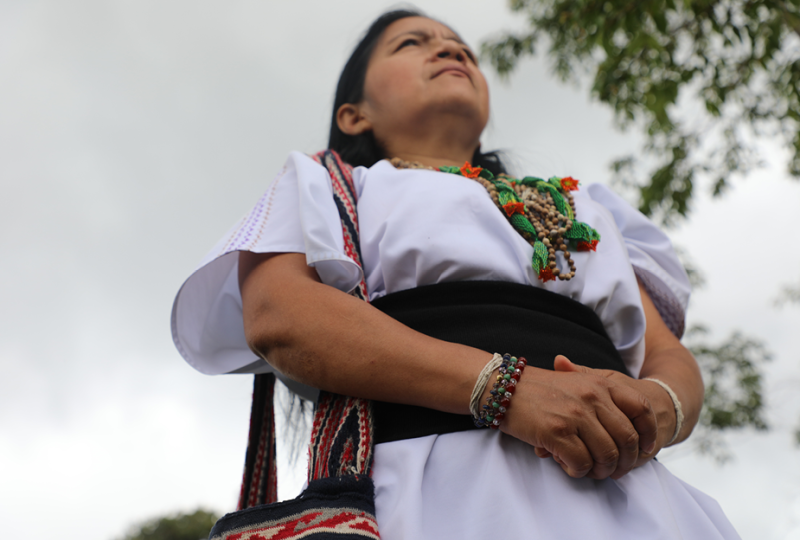
The rights of nature are gaining ground. Originally, the concept of nature as a person forms part of indigenous knowledge, as in Abya Yala (the Americas). For Indigenous communities in Colombia and Peru, amongst others, humans are not rulers over nature, but part of it. This view also exists in Asia and among the Sami in Europe: humans are nature, nature is human, and both stand on equal footing.
From this perspective, the question arises: why should only humans have the right to life? Does nature not have the right to exist and flourish? And if companies can have rights, why not rivers and forests?
But how do you translate indigenous views of nature into a legal framework for environmental conservation? What are the benefits, and what is lost in that translation into a – fundamentally Western – legal system?
These are not far-fetched questions, but a growing reality. In 2008, Ecuador even enshrined the rights of nature in its constitution. Under pressure from grassroots environmental conservation movements, other countries, regions and cities followed suit in granting legal personality to rivers and other ecosystems. Since 2022, for example, the Mar Menor Lagoon in Spain is the first nature reserve in Europe with its own rights.
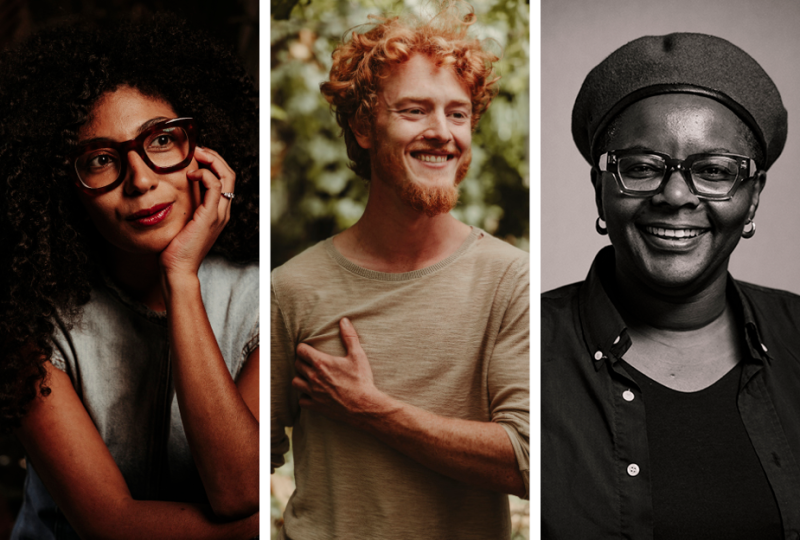
On 16 June, together with Grenzeloos, we will examine these inspiring initiatives and complex questions with Lieselotte Viaene, a legal and environmental anthropologist at RIFS in Potsdam (Germany) and Ghent University, Thomas Craenen from Broederlijk Delen, and the Bolivian-Dutch decolonial artist and environmental activist Chihiro Geuzebroek.
Philsan Omar Osman will moderate this discussion.
We will open the evening with the short documentary from Lieselotte Viaene’s RIVERS project, Aty Seikuinduwa: Judge Between Worlds (Colombia, Spanish/Arhuaco, English subtitles).
We will conclude with a musical performance by Chihiro Geuzenbroek.
This programme is an initiative of Grenzeloos, a collaboration between 11.11.11, Oxfam, Broederlijk Delen, MO*Magazine and Spreken Is Goud by De Roma. Under the banner of Grenzeloos, these partners organise various activities together with a focus on international solidarity and justice.
With the support of the City of Antwerp.